
Introduction
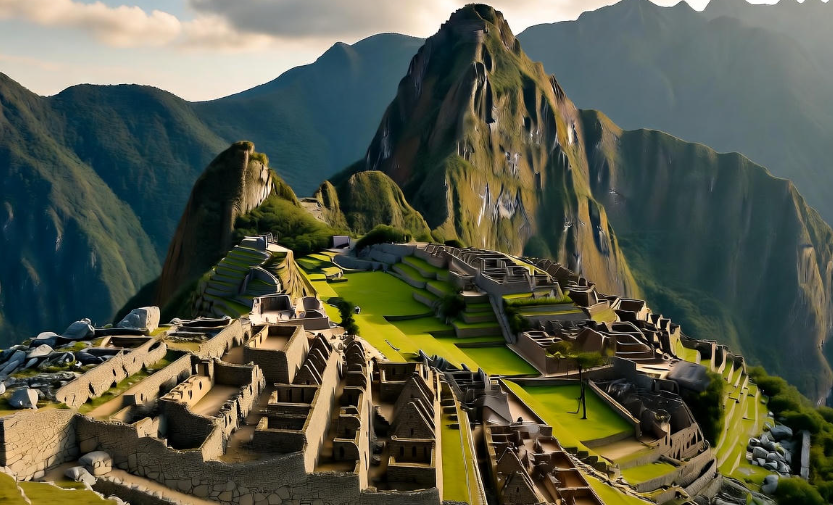
Machu Picchu, the ancient Incan citadel nestled high in the Andes Mountains of Peru, continues to captivate the world with its enigmatic beauty and architectural brilliance. While its breathtaking views and historical significance are widely recognized, the mysteries surrounding its construction methods and purpose remain subjects of intrigue. This article delves into the lesser-known aspects of Machu Picchu’s architecture, exploring the innovative techniques and unanswered questions that make it a marvel of ancient engineering.
1. Precision Stonework Without Mortar
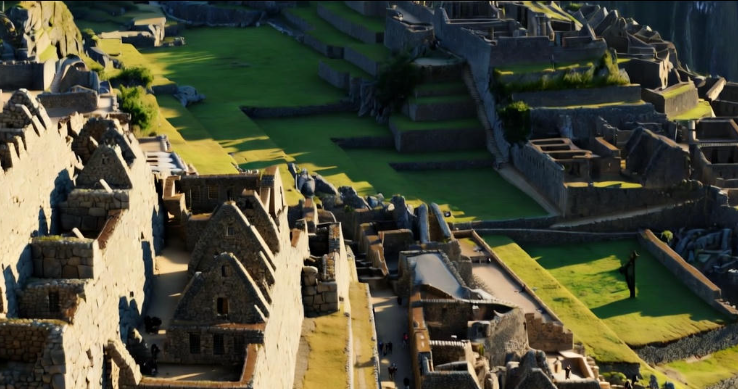
One of the most striking features of Machu Picchu is its dry-stone masonry. The Incas achieved remarkable precision in fitting massive granite blocks together without the use of mortar. This technique, known as ashlar masonry, involved shaping stones so precisely that not even a knife blade could fit between them. The seamless joints not only showcase the Incas’ advanced stonemasonry skills but also contribute to the site’s resilience against seismic activities HISTORY.
2. Advanced Engineering for Earthquake Resistance
The interlocking design of the stone walls at Machu Picchu enhances their flexibility, allowing them to absorb and dissipate seismic energy. This earthquake-resistant feature is particularly impressive considering the Incas constructed these structures without modern tools or machinery. The strategic placement and shaping of stones demonstrate an advanced understanding of structural engineering principles Machupicchu.org.
3. Mysterious Transportation Methods
Transporting massive stones to such a remote and elevated location poses a significant challenge. While some theories suggest the use of simple tools like levers and ramps, the exact methods employed by the Incas remain unclear. The sheer scale of the undertaking raises questions about the logistics and manpower involved in constructing Machu Picchu Google Arts & Culture.
4. The Role of Water Management Systems
Machu Picchu’s sophisticated water management system includes fountains, terraces, and drainage channels that effectively manage the site’s water resources. These features not only served practical purposes but also held symbolic significance in Incan culture. The integration of water into the architecture reflects the Incas’ deep connection to their environment and their advanced understanding of hydraulic engineering tourinperu.com.
5. Astronomical Alignments and Sacred Structures
Several structures within Machu Picchu are aligned with celestial events, such as solstices and equinoxes. The Temple of the Sun, for example, features a carved rock that produces shadows corresponding exactly to the two solstices. These astronomical alignments suggest that Machu Picchu served not only as a residential and agricultural center but also as a site for astronomical observations and religious ceremonies Google Arts & Culture.
6. Enigmatic Underground Structures
Approximately 60% of Machu Picchu’s construction is believed to be underground, comprising deep foundations and subterranean chambers. The purpose of these underground structures remains a mystery. Some researchers speculate they were used for ceremonial purposes, storage, or as living quarters, but definitive evidence is lacking National Geographic.
7. Theories on the Purpose of Machu Picchu
The exact purpose of Machu Picchu has been the subject of much debate. While some scholars believe it was a royal estate for Inca nobility, others propose it served as a religious sanctuary, a military outpost, or a center for astronomical research. The limited number of human remains found at the site suggests it may have been used for specific, perhaps seasonal, purposes rather than as a permanent settlement Google Arts & Culture.
8. The Mystery of Elongated Skulls
Archaeologists have discovered elongated skulls at Machu Picchu, a feature resulting from a cranial deformation practice among the Inca elite. These skulls provide insights into Incan social structures and cultural practices, though their presence at Machu Picchu adds to the site’s enigmatic nature Google Arts & Culture.
9. The Role of the Inca Bridge
The Inca Bridge, a remarkable feature at Machu Picchu, consists of a narrow stone path carved into a cliff face with a gap that could be bridged using tree trunks. This ingenious design allowed the Incas to control access to the site, adding a layer of security and demonstrating their advanced understanding of natural landscapes Wikipedia.
10. The Temple of the Moon
Located on Huayna Picchu, the Temple of the Moon is a cave structure adorned with intricate stonework. Inside, a stepped sculpture carved from rock and other features suggest the site had ceremonial significance. The exact rituals performed here remain unknown, adding to the mystique of Machu Picchu Wikipedia.
Conclusion
Machu Picchu stands as a testament to the ingenuity and resourcefulness of the Inca civilization. Its architectural and engineering feats continue to inspire awe and curiosity. While many aspects of its construction and purpose remain shrouded in mystery, ongoing research and exploration may one day provide answers to the questions that make Machu Picchu one of the most intriguing archaeological sites in the world.
FAQs
Q1: How did the Incas transport large stones to Machu Picchu?
A1: The exact methods remain unclear, but theories suggest the use of levers, ramps, and manpower to transport the massive stones to the site.
Q2: What is the significance of the astronomical alignments at Machu Picchu?
A2: The alignments indicate that Machu Picchu may have been used for astronomical observations and religious ceremonies tied to celestial events.
Q3: Why are there elongated skulls at Machu Picchu?
A3: The elongated skulls are the result of a cranial deformation practice among the Inca elite, indicating social stratification and cultural practices.
Q4: What is the purpose of the underground structures at Machu Picchu?
A4: The exact purpose is unknown, but they may have been used for ceremonial purposes, storage, or as living quarters.
Q5: How have Machu Picchu’s water management systems withstood the test of time?
A5: The sophisticated design and construction of the water management systems, including fountains and drainage channels, have allowed them to function effectively for centuries.