
The Iconic Rise of Burj Khalifa
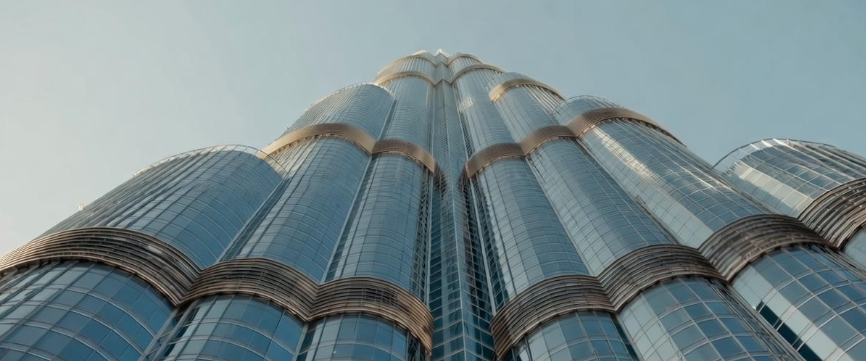
The Burj Khalifa, standing tall at 828 meters, isn’t just the tallest building in the world; it’s a symbol of ambition, innovation, and the future of urban design. Since its completion in 2010, it has completely redefined what we imagine when we think of modern skylines. From Dubai to New York and Shanghai, architects now aim higher, literally and figuratively, inspired by its groundbreaking design.
Revolution in Structural Engineering
Before Burj Khalifa, supertall buildings often faced limits due to wind forces and structural stability. Burj Khalifa introduced a “buttressed core” design. Think of it like a central spine supported by three wings that twist as the building rises. This not only provides incredible strength but also helps the building resist powerful desert winds. Engineers around the world took note, and today, this approach is used in many new skyscrapers.
Changing the Skyline Aesthetic
One of the most noticeable effects of Burj Khalifa is how it changed city silhouettes. Instead of flat, uniform skylines, cities now favor dynamic, tapering designs that play with height and perspective. The building’s sleek, tiered silhouette inspired a new era of vertical storytelling—where every level adds to the visual drama of the skyline.
Luxury Meets Public Space
Burj Khalifa proved that tall buildings could offer more than office spaces. It integrated luxury residences, hotels, observation decks, restaurants, and even fitness centers. Cities now plan skyscrapers with multi-use concepts, ensuring they become destinations in themselves rather than just vertical workplaces.
Influence on Global Architecture Trends
Here’s a quick table showing some major skyscrapers influenced by Burj Khalifa:
| Building Name | City | Year Completed | Height (m) | Design Influence from Burj Khalifa |
|---|---|---|---|---|
| Shanghai Tower | Shanghai | 2015 | 632 | Twisting form & tapered silhouette |
| Abraj Al Bait Clock Tower | Mecca | 2012 | 601 | Mixed-use vertical integration |
| Ping An Finance Center | Shenzhen | 2017 | 599 | Sleek vertical aesthetics |
| One World Trade Center | New York City | 2014 | 541 | Modern materials & skyline impact |
Environmental and Smart Design Innovations
Another important aspect of Burj Khalifa’s design is its focus on sustainability. Despite its enormous size, it uses a condensate collection system to recycle water, and the exterior cladding minimizes heat absorption, making air conditioning more efficient. Modern skylines now favor “smart” buildings that balance height with environmental responsibility.
The Psychological Impact on Cities
Taller buildings create more than just visual drama—they shape a city’s identity. Burj Khalifa made Dubai synonymous with modern luxury and innovation. When people think of Dubai, they see a skyline that represents wealth, ambition, and technological prowess. Cities worldwide now understand that iconic structures can define global perception. 🌏
Pushing the Limits of Material Science
The construction of Burj Khalifa required advances in concrete technology. Engineers developed a high-performance concrete that could withstand extreme heat and pressure. This pushed the envelope for skyscraper materials, and now, high-strength concrete is a standard in mega-tall building projects worldwide.
Skyline as a Marketing Tool
Architects and city planners quickly realized that a standout skyscraper could attract global attention, tourism, and investment. Burj Khalifa’s influence goes beyond design; it became a brand. Cities now compete not just in terms of height but in iconic visual impact, seeking structures that become symbols themselves.
Mixed-use Design Redefining Vertical Cities
Burj Khalifa popularized the concept of “vertical cities,” where people live, work, and relax in one building. Modern skylines now increasingly favor mixed-use towers that integrate offices, hotels, and residential spaces in a single vertical footprint, improving urban density while keeping cities functional.
Burj Khalifa’s Social and Cultural Influence
Interestingly, Burj Khalifa also changed how people experience tall buildings. Observation decks like At The Top provide social spaces high above the city, combining tourism with architectural appreciation. Modern skyline design now often includes public access areas, blending civic experience with private luxury.
Visual Storytelling through Height and Shape
Architects have realized that height alone isn’t enough; form matters. Burj Khalifa’s tapered, spiraling design tells a story—it grows gracefully, reaching toward the sky. New skyscrapers often follow this principle, using curves, twists, and angles to create dynamic, eye-catching silhouettes.
Economic and Urban Impact
Mega skyscrapers like Burj Khalifa often trigger urban redevelopment. Dubai’s Downtown area is now a hub for business, tourism, and luxury living. Cities planning new skylines recognize that a single iconic structure can stimulate economic growth, attract global brands, and transform urban life.
-
🪜 Ancient structures that defied gravity! Continue reading: Top 5 Ancient Structures That Defied Gravity
Technology Integration in Skyscrapers
Burj Khalifa set a precedent for using technology in design and construction. Automated elevators, smart lighting, and energy-efficient systems became critical elements. Today, architects design skyscrapers with integrated smart tech, including AI-driven building management systems, inspired by Burj Khalifa’s approach. 🤖
Global Inspiration
Many cities worldwide now aim to replicate the “wow factor” Burj Khalifa introduced. From Asia to the Middle East, new skyscrapers reflect not only technical achievement but also a desire to be recognized globally. Burj Khalifa demonstrated that architecture could be both functional and aspirational.
Modern Skyline Principles Post-Burj Khalifa
-
Dynamic Shape Over Uniformity: Skyscrapers now taper, twist, or curve.
-
Mixed-use Verticality: Living, working, and leisure spaces are integrated.
-
Smart and Sustainable Design: Environmental efficiency is essential.
-
Public Engagement: Observation decks and communal areas enhance city life.
-
Cultural Symbolism: Buildings reflect local ambition and identity.
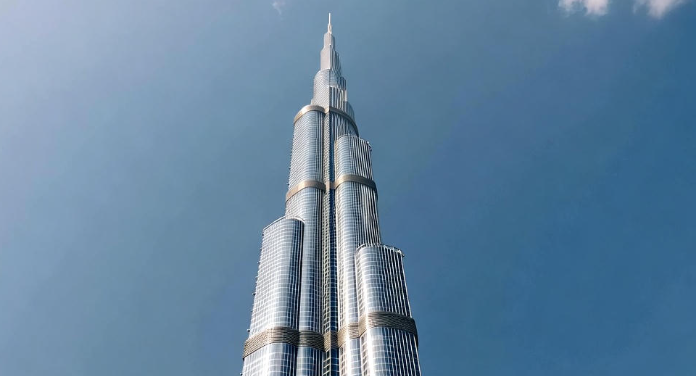
How Burj Khalifa Changed Modern Skyline Design
FAQs
Q1: Why is Burj Khalifa considered a game-changer for skyscrapers?
A1: It introduced innovative structural engineering, mixed-use design, and aesthetic appeal that inspired global architecture trends.
Q2: How does Burj Khalifa influence skyline aesthetics?
A2: Its tiered, tapering silhouette encouraged architects to move away from flat, uniform skylines, creating dynamic cityscapes.
Q3: Is Burj Khalifa environmentally friendly?
A3: Yes, it uses condensate water recycling, energy-efficient cladding, and advanced cooling systems to reduce environmental impact.
Q4: Can Burj Khalifa’s design be replicated in other cities?
A4: The principles can be adapted, but local climate, culture, and urban planning affect implementation.
Q5: How did it impact tourism and economy in Dubai?
A5: Burj Khalifa became a global icon, boosting tourism, real estate, and investment in the surrounding Downtown area.
Conclusion
Burj Khalifa didn’t just reach new heights in meters—it elevated our imagination about what urban skylines could be. It reshaped engineering approaches, urban planning, and aesthetic standards across the globe. Modern cities now strive for iconic, sustainable, and multifunctional towers, inspired by this Dubai masterpiece. Its influence will continue to define skylines for decades, reminding us that architecture is more than construction—it’s a symbol of human ambition. 🏙️