

In recent years, architecture has been taking a greener turn. As the world faces climate change and resource depletion, buildings are no longer just concrete and steel structures—they are becoming living, breathing entities that respect nature 🌱. From energy efficiency to sustainable materials, eco-friendly buildings are leading the way to a smarter, greener future. Let’s explore the top seven buildings that are redefining what it means to be sustainable.
1. Bosco Verticale, Milan, Italy
Bosco Verticale, or the “Vertical Forest,” is an incredible example of integrating nature into urban living. Two residential towers in Milan are covered with over 900 trees, 5,000 shrubs, and 11,000 plants. This vertical forest acts like a mini-ecosystem: it absorbs CO2, produces oxygen, and even reduces noise pollution. Imagine living in an apartment surrounded by greenery on every floor—it’s like having a private forest in the middle of a busy city 🌳.
Unique Features:
-
Natural air filtering system
-
Supports local biodiversity
-
Reduces building energy consumption by 20%
2. The Edge, Amsterdam, Netherlands
Dubbed the “smartest building in the world,” The Edge combines technology with sustainability in a truly innovative way. Its design maximizes natural light, reducing electricity usage, and uses a smart network of sensors to adjust lighting and heating according to occupancy. Solar panels cover the roof, and rainwater harvesting is used for toilets and irrigation.
Why It Matters:
-
Energy-efficient lighting and heating system
-
High-tech sensors for optimal environmental control
-
LEED Platinum certified 🌞
3. One Angel Square, Manchester, UK
One Angel Square is a masterpiece of eco-friendly office design. Its unique double-skin facade acts like insulation, keeping the building warm in winter and cool in summer. Energy comes primarily from renewable sources, including a 1,400-panel solar array and combined heat and power systems. The building is also designed to be extremely resource-efficient.
Key Highlights:
-
80% energy-efficient compared to typical offices
-
Rainwater collection system
-
Innovative ventilation that reduces air pollution indoors
4. Masdar City, Abu Dhabi, UAE
Masdar City is a city of the future! Though not a single building, it’s a global benchmark for eco-conscious urban planning. Masdar is designed to rely entirely on renewable energy, with solar power as the primary source. Streets are shaded to reduce heat, and self-driving electric vehicles move residents around quietly and efficiently.
Sustainability Features:
-
Net-zero carbon emissions
-
High-tech wind towers for natural cooling
-
Pedestrian-friendly design with minimal energy use 🚶♂️
5. Bullitt Center, Seattle, USA
The Bullitt Center is known as the “greenest commercial building in the world.” It runs entirely on solar energy and treats its own wastewater. The building uses composting toilets, rainwater harvesting, and geothermal heating. Even the materials used were carefully chosen to avoid toxins.
What Makes It Special:
-
Net-positive energy building
-
Zero wastewater discharge
-
Sustainable material usage in every corner ♻️
6. The Crystal, London, UK
The Crystal is not just a building—it’s a showcase of sustainable urban development. This exhibition center runs on renewable energy, mostly solar and geothermal. The building’s smart management system monitors energy, water, and waste in real-time, making it one of the most energy-efficient buildings globally.
Highlights:
-
70% less energy consumption than traditional buildings
-
Rainwater recycling system
-
LEED Platinum certification and BREEAM Outstanding
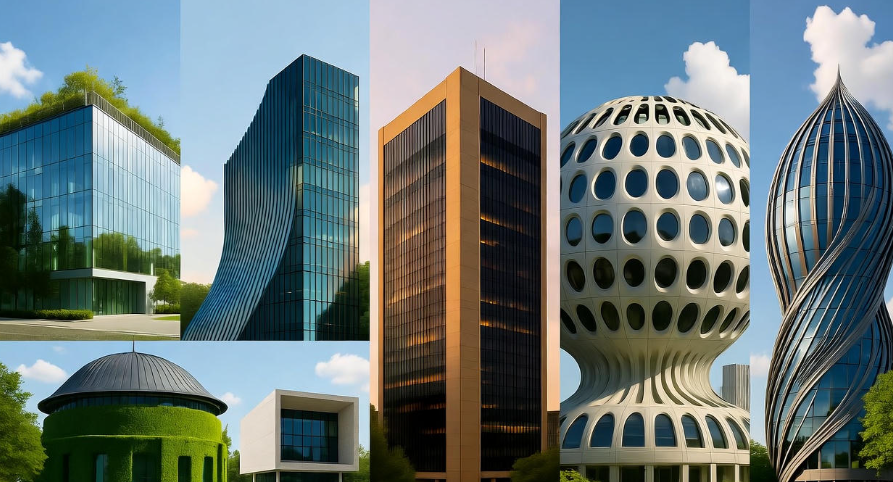
Top 7 Eco-Friendly Buildings Shaping Future Architecture
7. Shanghai Tower, Shanghai, China
Shanghai Tower is the tallest eco-friendly skyscraper in the world, standing at 632 meters. Its spiraling design reduces wind loads, which decreases structural stress and saves material. The building collects rainwater, uses geothermal energy, and maximizes natural ventilation. The tower’s double-layered glass facade also minimizes energy loss.
Why It’s Revolutionary:
-
Double-skin facade for energy efficiency
-
Rainwater collection and greywater reuse
-
High-tech elevators with regenerative drives 🚀
Comparison Table of Eco-Friendly Features
| Building | Energy Source | Water Efficiency | Unique Sustainability Feature | Location |
|---|---|---|---|---|
| Bosco Verticale | Grid + greenery | N/A | Vertical forest ecosystem | Milan, Italy |
| The Edge | Solar + smart tech | Rainwater | Smart sensors & automation | Amsterdam, NL |
| One Angel Square | Solar + CHP | Rainwater | Double-skin facade for insulation | Manchester, UK |
| Masdar City | Solar + wind | N/A | Net-zero carbon city | Abu Dhabi, UAE |
| Bullitt Center | Solar + geothermal | Rainwater | Net-positive energy | Seattle, USA |
| The Crystal | Solar + geothermal | Rainwater | Smart energy monitoring | London, UK |
| Shanghai Tower | Geothermal + solar | Rainwater + greywater | Double-layered glass facade | Shanghai, CN |
Why Eco-Friendly Architecture Matters
Buildings account for nearly 40% of global energy use and 30% of CO2 emissions. Sustainable architecture isn’t just a trend—it’s a necessity. By integrating renewable energy, water efficiency, and natural elements, eco-friendly buildings reduce environmental impact while improving human well-being.
-
🏺 Curious about Egypt’s greatest mysteries? Read more: 10 Hidden Secrets Behind Ancient Egyptian Pyramids
Tips for Future Eco-Friendly Homes
Even if you don’t live in a skyscraper like Shanghai Tower, you can still make your home eco-friendly:
-
Use energy-efficient appliances 💡
-
Install solar panels on your roof
-
Collect rainwater for gardening
-
Use natural materials and non-toxic paints
-
Plant trees and vertical gardens 🌿
FAQs
Q1: What makes a building eco-friendly?
A: An eco-friendly building uses sustainable materials, minimizes energy and water consumption, and reduces environmental impact while improving comfort.
Q2: Are eco-friendly buildings more expensive?
A: Initially, they may cost more due to high-tech systems or sustainable materials, but they save money in the long run through lower energy bills and maintenance.
Q3: Can older buildings be made eco-friendly?
A: Yes! Retrofitting old buildings with insulation, energy-efficient windows, and renewable energy sources can significantly reduce their environmental impact.
Q4: Do eco-friendly buildings really improve health?
A: Absolutely. They often include better air quality, natural light, and green spaces, which contribute to mental and physical well-being.
Q5: Are all skyscrapers unsustainable?
A: Not at all! Modern skyscrapers, like Shanghai Tower and Bosco Verticale, integrate advanced green technologies to be highly sustainable.
Conclusion
The future of architecture is green. Buildings like Bosco Verticale, The Edge, and Masdar City are more than just structures—they are examples of a world where human progress and nature coexist. As technology improves and awareness grows, eco-friendly architecture will become the standard, not the exception 🌏.