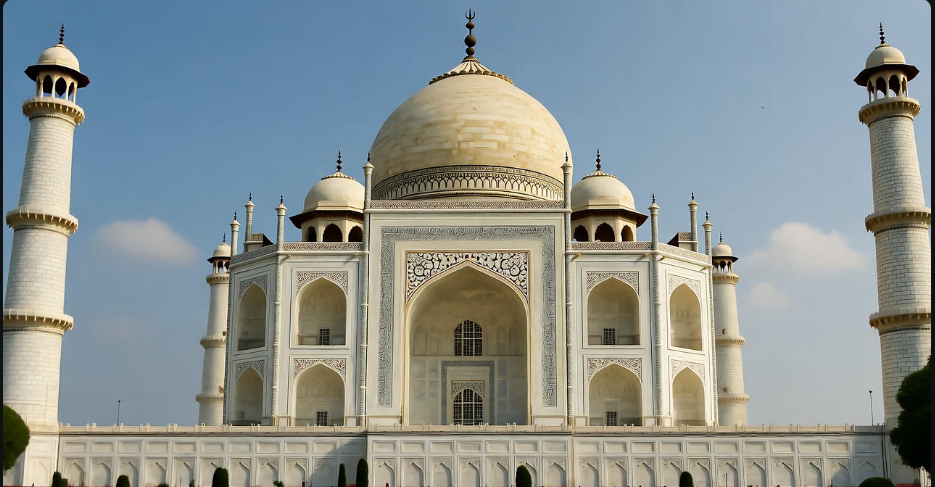

The Taj Mahal is more than just a monument; it is a symbol of love, artistry, and the pinnacle of Mughal architectural brilliance. Built in the 17th century by Emperor Shah Jahan for his beloved wife Mumtaz Mahal, it has stood the test of time as one of the most iconic structures in the world. But beyond its beauty, the Taj Mahal changed the way Mughal architecture was perceived, blending Persian, Islamic, and Indian influences into a harmonious masterpiece.
The Legacy of Mughal Architecture Before the Taj Mahal
Before the Taj Mahal, Mughal architecture was already famous for grandeur and intricate designs. Earlier emperors like Akbar and Jahangir constructed forts, mosques, and tombs, often combining elements from Persian and Indian styles. However, these structures, while impressive, lacked the delicate harmony and refined elegance that the Taj Mahal later introduced.
Some key features of pre-Taj Mughal architecture:
| Feature | Example | Description |
|---|---|---|
| Massive Forts | Agra Fort | Built mainly for defense, with strong walls and limited ornamental design |
| Bulky Tombs | Humayun’s Tomb | Grand but somewhat heavy in proportions |
| Blend of Styles | Fatehpur Sikri | Mixed Persian and Hindu elements, but less symmetrical |
The Taj Mahal, however, transformed all of this by introducing perfect symmetry, delicate decorations, and a serene aesthetic that felt both grand and ethereal.
Perfect Symmetry and Geometric Harmony
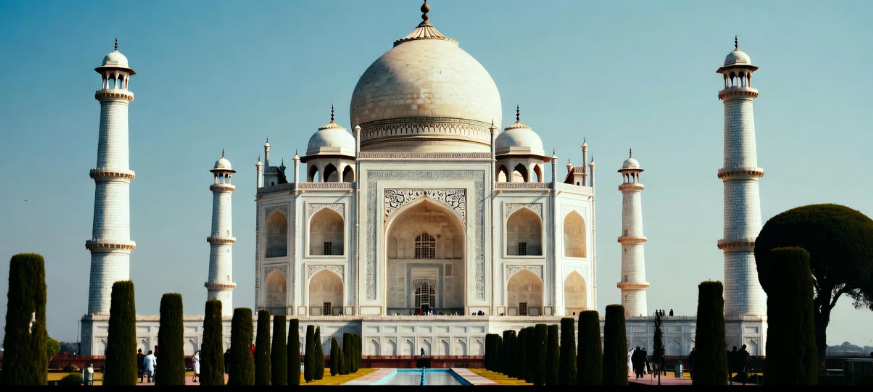
One of the most revolutionary aspects of the Taj Mahal is its symmetry. Every part of the structure, from the main dome to the minarets, follows a precise mathematical balance. Even the gardens are perfectly aligned, divided into four parts, representing the Islamic concept of paradise.
-
The central dome rises elegantly, flanked by four smaller domes.
-
Four slender minarets frame the tomb, slightly tilted outwards to protect the main structure in case of collapse.
-
The reflecting pool creates a mirror image, adding to the sense of balance.
This emphasis on symmetry became a hallmark of later Mughal architecture, influencing gardens, mosques, and tombs across India.
Use of White Marble and Inlay Work
Unlike earlier Mughal structures that used red sandstone, the Taj Mahal is primarily constructed from white marble. This choice was deliberate. The marble reflects sunlight, creating different hues at different times of the day—from soft pink in the morning to golden in the evening.
The Taj Mahal also perfected a technique called pietra dura, which involves inlaying precious and semi-precious stones into the marble to create intricate floral and geometric patterns.
-
Materials Used: Jade, crystal, turquoise, lapis lazuli, sapphire
-
Designs: Lotus motifs, vines, Arabic calligraphy
This inlay work set a new standard for luxury and craftsmanship in Mughal architecture, inspiring countless structures in the later Mughal period.
Integration of Persian, Islamic, and Indian Elements
The genius of the Taj Mahal lies in its cultural synthesis. Shah Jahan’s architects drew inspiration from Persian, Islamic, and Indian designs but combined them in a unique way.
-
Persian Influence: Gardens, arches, and the concept of paradise
-
Islamic Influence: Dome structure, minarets, and calligraphy
-
Indian Influence: Chhatris (small decorative domes) and lotus motifs
This combination created a universal appeal, making the Taj Mahal not just a local marvel but a global icon.
Gardens and Landscape Design
The Taj Mahal is not just a building; it’s an entire experience. The Mughal garden layout, known as Charbagh, divides the space into four quadrants, symbolizing the four rivers of paradise in Islamic tradition.
-
Water Channels: Represent life and purity
-
Pathways: Perfectly aligned with the tomb and the central dome
-
Flora: Flowering trees and cypresses, creating a visual and aromatic journey
This approach to landscaping redefined how gardens were used in architecture—not just as decoration but as an integral part of the structure’s narrative.
Influence on Later Mughal Architecture
The Taj Mahal set a benchmark that other Mughal rulers sought to emulate. Its influence is evident in:
| Structure | Influence from Taj Mahal |
|---|---|
| Bibi Ka Maqbara, Aurangabad | Similar dome design and symmetry |
| Safdarjung Tomb, Delhi | Use of marble and inlay work |
| Humayun’s Tomb Renovations | Gardens aligned with Charbagh principles |
Even in non-Mughal architecture, elements like domes, inlay patterns, and symmetry were adopted, showing the far-reaching impact of the Taj Mahal’s design philosophy.
Engineering Marvels of the Taj Mahal
The Taj Mahal is not just beautiful; it’s an engineering feat. Architects used innovative techniques to ensure its longevity:
-
Foundation: A mix of rubble, sand, and stone, capable of withstanding floods from the Yamuna River.
-
Minarets: Slightly tilted outward to prevent damage to the main tomb in case of collapse.
-
Dome Design: The double-dome technique reduces pressure on the structure and enhances acoustics.
These engineering insights influenced later Mughal constructions, blending aesthetic beauty with practical innovation.
Cultural and Emotional Impact
Beyond its physical beauty, the Taj Mahal redefined the emotional depth of Mughal architecture. It was not just a tomb but a monument to eternal love and human expression. Visitors experience a sense of peace and awe, showing how architecture can evoke powerful emotions.
-
Tourism Impact: Millions of visitors every year from around the world
-
Symbol of India: Represents India’s cultural and historical richness
-
Inspiration for Art: Featured in paintings, literature, and photography globally
Unique Features That Redefined Architecture
-
Calligraphy: Verses from the Quran etched in perfect proportion
-
Reflective Pools: Creating illusions and enhancing symmetry
-
Lighting Effects: Changing hues of marble with the sun’s movement
-
Ornamental Gardens: Integrating nature as part of the architectural experience
These features made the Taj Mahal not just a structure but a living artwork, influencing architects for centuries.
-
🧩 Concrete that outlasted empires! Don’t miss: How Ancient Romans Perfected Concrete Construction
FAQs About the Taj Mahal and Its Architecture
Q1: Who designed the Taj Mahal?
A1: The chief architect is believed to be Ustad Ahmad Lahauri, assisted by a team of Persian, Indian, and Ottoman architects.
Q2: Why is the Taj Mahal considered a masterpiece of Mughal architecture?
A2: Because of its perfect symmetry, use of white marble, inlay techniques, blend of cultural styles, and emotional impact.
Q3: What is Charbagh, and why is it important?
A3: Charbagh is a four-part garden layout that symbolizes paradise. It integrates nature into architecture, creating a spiritual and aesthetic experience.
Q4: Did the Taj Mahal influence other monuments?
A4: Yes, structures like Bibi Ka Maqbara, Safdarjung Tomb, and even some modern buildings drew inspiration from its design.
Q5: How long did it take to build the Taj Mahal?
A5: Approximately 22 years, with thousands of artisans and craftsmen working on it.
Conclusion
The Taj Mahal is not just a tomb; it’s a turning point in architectural history. It redefined Mughal architecture by combining symmetry, aesthetics, engineering, and emotional depth. Its influence is evident in later Mughal and even non-Mughal constructions across India and beyond.
When you visit the Taj Mahal, you’re not just looking at a building—you’re experiencing a perfect blend of art, science, culture, and human emotion. That is why it continues to captivate millions and remains a timeless symbol of architectural excellence.