
The Allure of Ancient Egypt
Egypt has always fascinated people around the world. Its pyramids, colossal statues, and mysterious tombs tell stories of a civilization that thrived thousands of years ago. But beyond the grandeur, many secrets remain hidden. Among these are the hidden chambers inside Egyptian tombs, places that hold untold treasures and secrets of the ancient world. 🌍
Why Hidden Chambers Exist
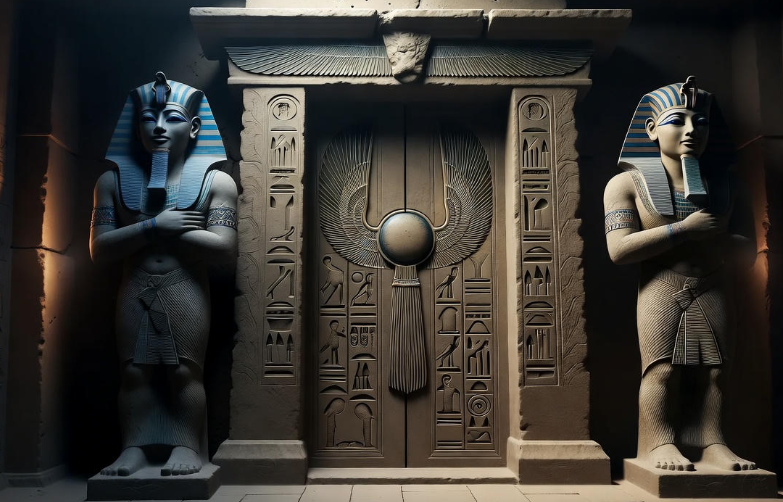
Hidden chambers were often built to protect valuable items and sacred artifacts. Tombs were not just resting places for pharaohs; they were gateways to the afterlife. The Egyptians believed that their kings would need everything they owned in the next world. So, secret rooms were designed to safeguard treasures from thieves. Some chambers even contained false doors and passageways to confuse intruders.
Famous Discoveries of Hidden Chambers
Over the years, archaeologists have uncovered remarkable finds. The tomb of Tutankhamun, discovered in 1922, shocked the world with its hidden rooms filled with gold, jewelry, and art. More recently, radar scans and 3D mapping have revealed potential hidden spaces in other royal tombs, including the Great Pyramid of Giza. 🌟
Techniques Used to Detect Hidden Chambers
Modern technology has revolutionized tomb exploration. Some of the main techniques include:
| Technique | How It Works | Notable Discoveries |
|---|---|---|
| Ground-Penetrating Radar (GPR) | Sends radar pulses into the ground to detect anomalies | Hidden voids in the Great Pyramid |
| Muon Tomography | Uses cosmic rays to reveal hidden spaces in stone | Unseen chambers in Khufu’s Pyramid |
| 3D Laser Scanning | Maps surfaces to find irregularities | Tombs in Luxor with unknown extensions |
These tools help archaeologists detect spaces that might otherwise remain hidden for centuries.
Mysterious Symbols and Inscriptions
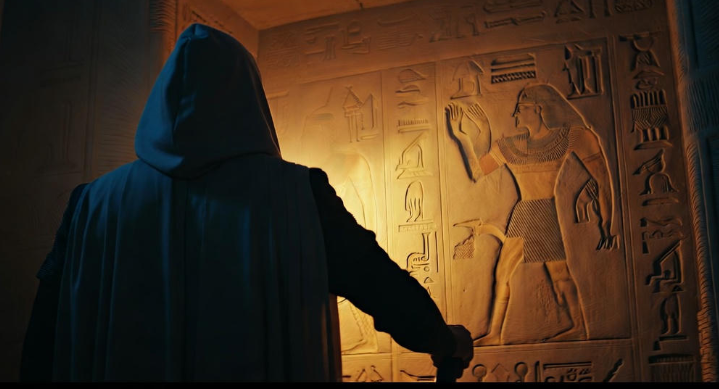
Many hidden chambers contain walls covered in hieroglyphs and mysterious symbols. These writings often convey religious messages or tell stories of the deceased’s life. Some chambers even include maps to the afterlife or instructions for the soul. Decoding these symbols helps historians understand ancient Egyptian beliefs and daily life. 🔮
The Role of Myth and Legend
Hidden chambers often stir imaginations and legends. Stories of curses, ghostly apparitions, and treasure-filled rooms abound. While some are myths, many are inspired by real events. The fear of curses helped keep tombs secure for thousands of years. Today, these tales add an air of mystery to every discovery.
Challenges in Exploring Hidden Chambers
Exploring hidden chambers isn’t easy. Archaeologists face several obstacles:
- Structural Instability: Many tombs are thousands of years old, making them dangerous to enter.
- Looting: Centuries of theft have emptied some chambers before modern exploration.
- Limited Access: Some chambers are sealed under tons of stone, requiring careful excavation.
- Preservation: Ensuring that fragile artifacts aren’t damaged during exploration is critical.
Hidden Treasures and Artifacts
Artifacts found in hidden chambers provide insight into ancient Egyptian life. These can include:
- Jewelry and gold artifacts 💎
- Ceremonial items like statues and figurines 🗿
- Daily life tools and pottery 🍽️
- Wall paintings depicting rituals and gods 🌊
Each discovery adds a new layer to our understanding of ancient Egypt.
How Archaeologists Plan Discoveries
Careful planning is essential. Archaeologists first study old maps, historical texts, and previous excavation reports. Then they use non-invasive techniques to locate potential hidden spaces. Once a chamber is found, excavation is done slowly, often over months or even years. Every artifact is cataloged, photographed, and sometimes preserved using advanced chemical treatments.
Notable Hidden Chambers Still Undiscovered
Despite decades of research, many believe several chambers remain undiscovered. The tombs of pharaohs like Amenhotep III or Ramses II may still hold unknown rooms. Radar scans and muon tomography continue to point to possibilities, hinting that Egypt has more secrets waiting to be uncovered. 👀
The Impact on Tourism
Hidden chambers attract global attention. Sites like the Valley of the Kings in Luxor have become major tourist attractions. When a hidden chamber is discovered, it often draws scholars, media, and curious travelers alike. This helps Egypt’s economy but also poses challenges for preservation, as increased foot traffic can damage delicate artifacts.
FAQs
Q: Are all hidden chambers filled with treasure?
A: Not necessarily. Some may contain ceremonial items, writings, or even empty spaces. Treasure is not guaranteed, but every find has historical value.
Q: How do archaeologists ensure safety inside tombs?
A: They use structural supports, protective gear, and often robots or remote cameras to inspect unstable areas before entering.
Q: Can modern technology find every hidden chamber?
A: Technology greatly increases chances, but some chambers might be too small or deep to detect easily. Exploration continues to evolve.
Q: Are hidden chambers cursed?
A: Most stories of curses are myths. While tombs can be dangerous due to structural risks or toxic molds, there’s no proven supernatural curse.
Q: How long does it take to excavate a hidden chamber?
A: Depending on size and contents, it can take months or even years. Preservation and careful documentation are key priorities.
Conclusion
Hidden chambers in Egyptian tombs are more than just secret rooms; they are windows into an ancient civilization. They reveal beliefs, culture, and artistry that survived thousands of years. Modern technology continues to uncover these mysteries, connecting us to the past in ways never imagined. Exploring these chambers is like opening a time capsule, reminding us of the genius and spirituality of ancient Egypt. 🌏
The journey to uncover these hidden chambers is far from over. Each discovery sparks curiosity, excitement, and awe. And with every new find, we take another step into understanding one of history’s most fascinating civilizations.