
Introduction to Ancient Amphitheaters
When we think about the marvels of ancient architecture, amphitheaters often take center stage. These massive, open-air structures were not just places for entertainment—they were the heartbeat of social life in ancient civilizations. From gladiatorial combats in Rome to grand performances in Greece, amphitheaters shaped how societies gathered, experienced art, and connected with each other. 🌿
The genius behind their design goes beyond aesthetics. These structures combined engineering brilliance with social functionality, influencing modern public architecture in ways many people don’t even realize. Today, if you visit a modern stadium, concert hall, or civic center, you’re walking in the footsteps of ancient architects.
The Origins of Amphitheaters
Amphitheaters first appeared in ancient Greece around the 6th century BCE. Initially, they were simple, semi-circular spaces built into hillsides, taking advantage of natural slopes to create tiered seating. The famous Theatre of Epidaurus, built in the 4th century BCE, is a prime example. Its design ensured perfect acoustics—so even someone sitting in the very last row could hear every word spoken on stage. 🎭
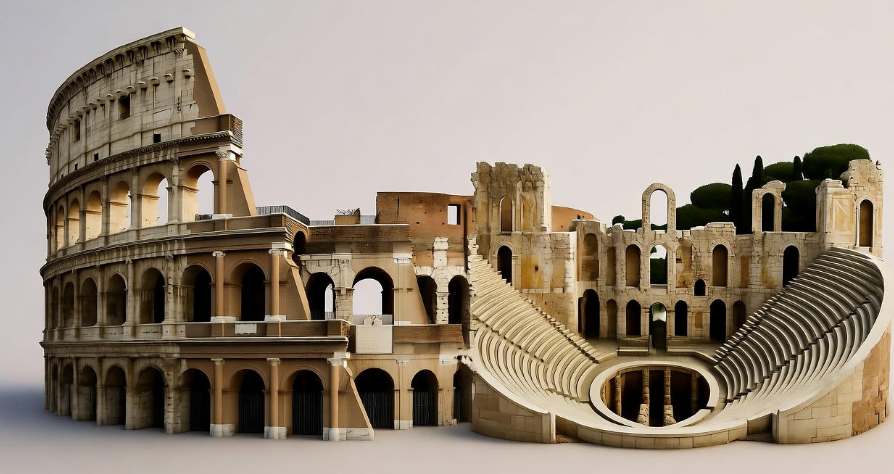
The Romans later adopted and evolved the design. They introduced fully circular or elliptical arenas, like the Colosseum in Rome, capable of hosting tens of thousands of spectators. Unlike the Greeks, Romans prioritized multifunctional spaces that could host gladiator fights, animal hunts, and public events. This evolution marked a turning point in architectural thinking—designs were no longer just about beauty but also about utility and crowd management.
Innovations in Design and Engineering
Ancient amphitheaters were engineering marvels. Builders used advanced techniques to ensure stability, comfort, and functionality.
-
Tiered Seating: Seating was arranged in concentric circles or semi-circles. This not only maximized the number of spectators but also ensured clear sightlines for everyone.
-
Acoustics: Greek amphitheaters like Epidaurus used precise angles and stone arrangements to carry sound over hundreds of meters. Modern architects still study these structures to improve concert hall designs.
-
Materials: Stone and concrete were preferred for their durability. The Romans, in particular, perfected concrete construction, allowing for massive, enduring structures.
-
Entrances and Exits: Amphitheaters featured multiple entrances and corridors called vomitoria, designed to let crowds enter and exit efficiently—a concept that influences modern stadiums today.
Here’s a quick comparison of Greek and Roman amphitheaters:
| Feature | Greek Amphitheater | Roman Amphitheater |
|---|---|---|
| Shape | Semi-circular | Circular/Elliptical |
| Purpose | Theatre & performances | Multi-purpose: spectacles, sports, public events |
| Seating | Built into hillsides | Freestanding structures |
| Materials | Stone | Concrete & stone |
| Acoustics | Natural slope, open-air | Advanced design for larger crowds |
Influence on Modern Public Architecture
Amphitheaters didn’t vanish with the fall of the Roman Empire. Their design principles have echoed through centuries, subtly influencing how we build public spaces today.
-
Stadiums: Modern sports arenas borrow directly from Roman amphitheater design. The idea of a central performance area surrounded by tiered seating is a direct adaptation. Even the efficient crowd flow and multiple exits come from Roman engineering. ⚽
-
Concert Halls: The acoustical brilliance of Greek amphitheaters inspires contemporary concert venues. The principles of sound reflection and audience arrangement ensure every note reaches every listener.
-
Public Squares and Civic Centers: Amphitheaters were gathering places. Today, public plazas, city halls, and cultural centers aim to replicate that communal feeling, encouraging social interaction and civic participation.
Social and Cultural Impact
Amphitheaters were more than architectural feats—they were social equalizers. People from different social classes could sit together and share an experience. Even though seating often reflected status, the shared experience of watching a performance or a spectacle created a sense of unity.
In addition, amphitheaters were spaces for political influence. Leaders used spectacles to gain popularity or distract citizens from political issues. This concept of using public spaces to influence society can still be seen in modern times, from political rallies to national celebrations.
Design Lessons That Transcend Time
Several lessons from ancient amphitheaters remain relevant today:
-
Human-Centric Design: Structures should be built for the people who use them, not just for aesthetic appeal.
-
Durability: Using strong materials and smart engineering ensures longevity.
-
Acoustics Matter: Sound design is crucial for performance spaces.
-
Flexibility: Spaces should adapt to multiple uses. Ancient amphitheaters hosted performances, sports, and public announcements—modern public spaces should be equally versatile.
-
Crowd Management: Efficient entrances, exits, and seating arrangements improve user experience and safety.
Unique Architectural Features
Amphitheaters were full of clever architectural innovations:
-
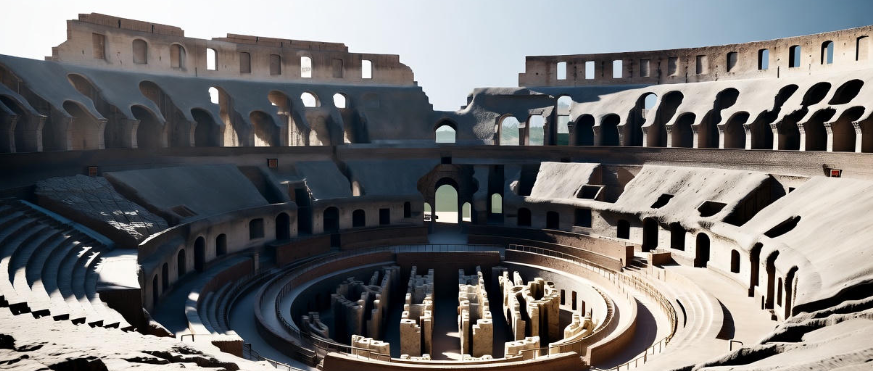
Hypogeum (Rome): Underground chambers beneath the Colosseum held animals and performers, with complex pulley systems to lift them to the arena floor. 🐅
-
Vomitoria: The name might sound funny, but these corridors allowed thousands of people to exit quickly, a safety feature that modern stadium designers still use.
-
Velarium: The Colosseum had a retractable awning to protect spectators from the sun—a Roman version of modern stadium roofs. 🌞
These features show that ancient architects were not just builders—they were problem solvers, blending aesthetics, engineering, and human needs.
Amphitheaters as Symbols of Power
Building a grand amphitheater was a way for rulers to display power and wealth. In Rome, the Colosseum symbolized the empire’s might, sophistication, and control over life and death. Similarly, Greek amphitheaters reflected city-state pride and cultural sophistication.
This symbolic aspect influences public architecture even today. Government buildings, sports stadiums, and cultural centers are often designed to impress and inspire citizens, echoing the role of amphitheaters in ancient society.
Tables: Comparing Ancient Amphitheaters with Modern Public Spaces
| Aspect | Ancient Amphitheaters | Modern Public Architecture |
|---|---|---|
| Capacity | 5,000 – 80,000 | 10,000 – 100,000+ |
| Function | Entertainment, social gatherings | Sports, concerts, civic events |
| Technology | Manual engineering, stone, acoustics | Steel, concrete, electronic sound systems |
| Crowd Management | Vomitoria, multiple entrances | Advanced emergency exits, digital monitoring |
| Symbolism | Power, culture, unity | Prestige, innovation, community |
Modern Architectural Inspirations
Many contemporary buildings consciously draw inspiration from amphitheaters. For example:
-
Sydney Opera House: While visually modern, the tiered seating and acoustical design borrow from ancient principles.
-
Colosseum-Inspired Stadiums: New arenas often feature elliptical layouts, central performance zones, and tiered seating reminiscent of Roman arenas.
-
Urban Amphitheaters: Public parks and open-air theaters worldwide replicate the Greek model, encouraging community events and cultural performances.
The influence of amphitheaters extends even to office spaces, universities, and lecture halls where tiered seating and centralized presentation spaces improve learning and engagement. 📚
FAQs
Q1: Why were amphitheaters built in a circular or semi-circular shape?
A1: This design maximized visibility and acoustics. Everyone in the audience could see and hear the performance, regardless of their seat.
Q2: Were amphitheaters only for entertainment?
A2: No. They were multifunctional, used for public announcements, political events, and even social gatherings.
Q3: How did ancient amphitheaters influence modern architecture?
A3: Modern stadiums, concert halls, and public spaces adopt tiered seating, crowd flow designs, and acoustic principles from ancient amphitheaters.
Q4: What materials did Romans use that made amphitheaters so durable?
A4: Romans used concrete extensively, often reinforced with stone and brick, creating structures that could withstand centuries of wear and earthquakes.
Q5: Can we still learn architectural lessons from ancient amphitheaters today?
A5: Absolutely! Lessons in human-centric design, durability, acoustics, and crowd management are still applicable in modern architecture.
Conclusion
Ancient amphitheaters were more than monuments—they were blueprints for the way humans gather, interact, and experience culture. From Greece’s natural-hill theaters to Rome’s engineering marvels, these structures shaped public architecture for centuries. Today’s stadiums, concert halls, and civic centers carry forward these lessons, proving that smart, human-centered design is timeless.
Next time you sit in a stadium or attend a concert, pause for a moment. You’re part of a tradition that stretches back over two thousand years, where architecture wasn’t just about walls and seats—but about connecting people, celebrating culture, and shaping society. 🌎