
Architecture is more than just buildings—it’s a reflection of culture, history, and human creativity. When we look at traditional architecture, whether it’s ancient temples in India, Japanese wooden houses, or the mud-brick structures of Africa, we see design that wasn’t just beautiful but also highly functional. Interestingly, these old techniques are now shaping the way architects think about the future.
Blending Past with Present
Traditional architecture teaches us the value of harmony with nature. For example, ancient houses often used natural ventilation and local materials to adapt to their environment. Modern architects are borrowing these ideas to create sustainable buildings. Imagine a skyscraper that doesn’t just look futuristic but also breathes like a traditional home—this is where the magic of old designs meets new technology. 🌿
Materials that Matter
In the past, buildings were made with stone, wood, clay, or bamboo—all materials found in nature. These weren’t just practical; they were eco-friendly. Today, architects are exploring how these natural materials can reduce energy use. For instance, clay bricks can help regulate indoor temperatures, and bamboo can replace steel in some structural parts. Using these materials reduces environmental impact while keeping designs unique and culturally rich.
Table: Traditional Materials vs. Modern Adaptations
| Traditional Material | Original Use | Modern Adaptation | Benefits |
|---|---|---|---|
| Stone | Walls & foundations | Green facades, thermal mass walls | Long-lasting, reduces heating/cooling energy |
| Bamboo | Roofs & furniture | Structural beams, flooring | Renewable, lightweight, strong |
| Mud/Clay | Walls & insulation | Compressed Earth Blocks, adobe houses | Natural insulation, breathable, eco-friendly |
| Wood | Roofs & frames | Engineered wood for high-rises | Renewable, flexible, aesthetic appeal |
Local Culture Shapes Design
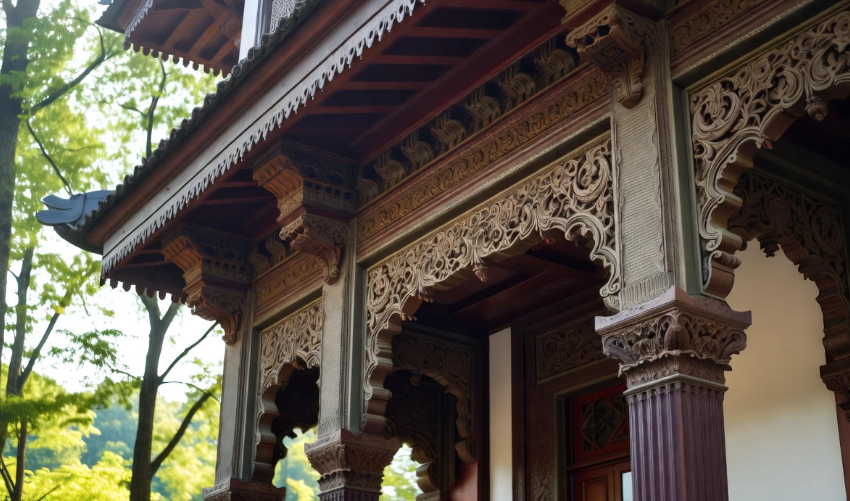
Every region’s traditional architecture tells a story about its people. In Japan, homes have sliding doors and open spaces reflecting Zen philosophy. In Morocco, riads with inner courtyards promote privacy and airflow. Architects are taking cues from these designs, combining them with modern needs. This helps new buildings feel familiar and culturally respectful while still being innovative.
Energy Efficiency Inspired by Tradition
Many traditional buildings were energy-efficient without electricity. Thick stone walls, high ceilings, and shaded courtyards all helped keep homes cool in summer and warm in winter. Modern architects are adapting these principles in eco-friendly skyscrapers, passive houses, and community spaces. This approach reduces dependence on HVAC systems, lowers costs, and respects the planet. 🌞
Shapes, Patterns, and Aesthetics
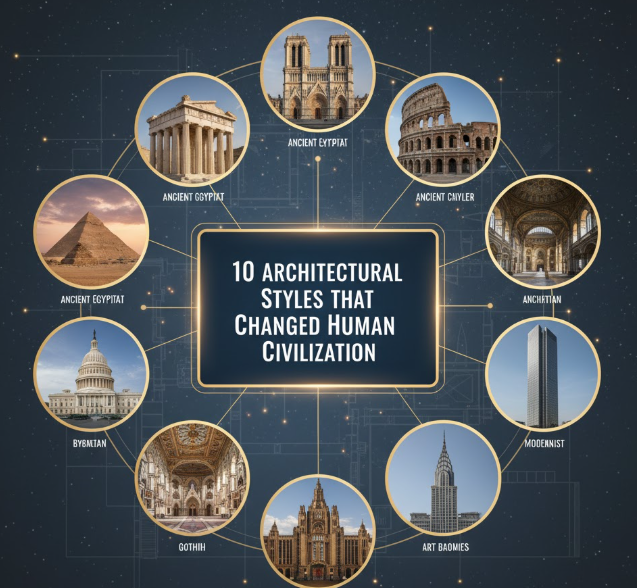
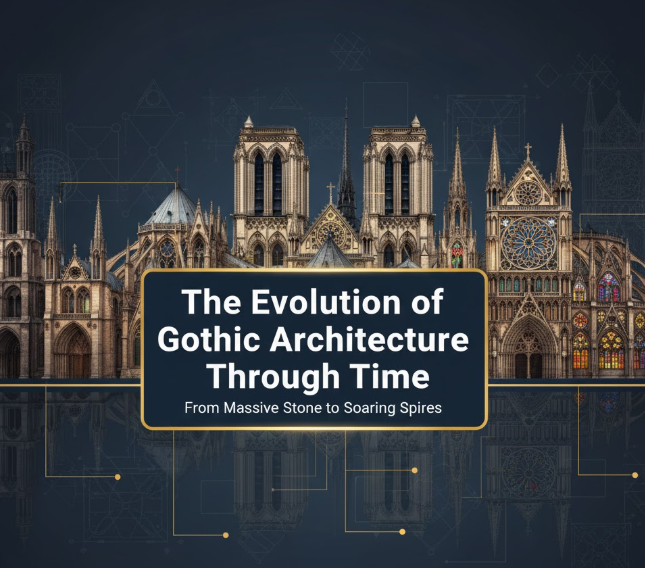
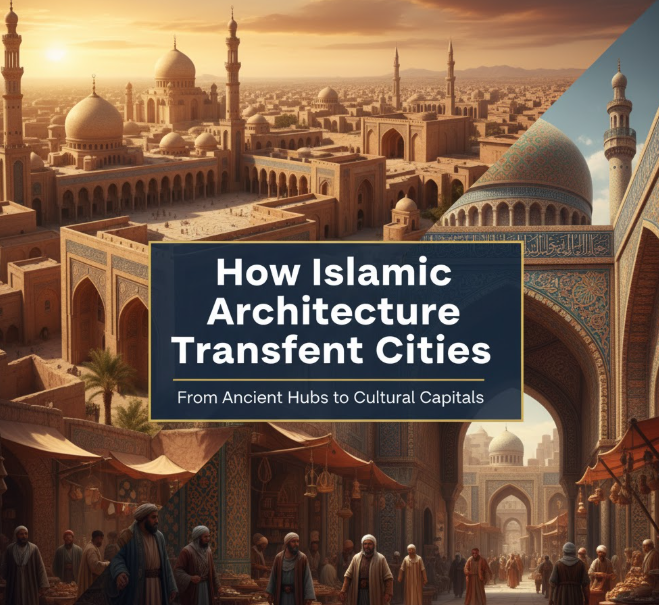
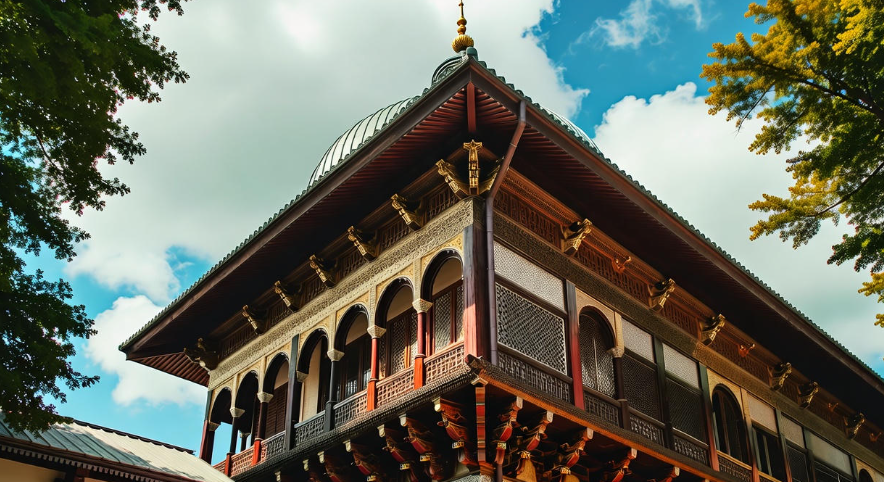
Traditional architecture often emphasizes patterns, geometry, and symbolism. Islamic architecture with its intricate mosaics or Gothic cathedrals with pointed arches show incredible craftsmanship. Modern architects are inspired by these patterns to create visually striking yet functional spaces. Digital tools now allow these designs to be adapted at large scales without losing their artistic essence.
Table: Traditional Aesthetic vs. Modern Inspiration
| Traditional Style | Characteristic | Modern Application |
|---|---|---|
| Gothic | Pointed arches, ribbed vaults | Curved steel structures & skylights |
| Islamic | Geometric mosaics & courtyards | Facade patterns & community-centric layouts |
| Japanese | Minimalism, sliding doors | Open-plan interiors & modular homes |
| African Vernacular | Mud huts, organic shapes | Natural textures in sustainable housing |
Adaptable and Modular Thinking
One striking lesson from traditional architecture is adaptability. Many indigenous designs were modular and could be expanded or altered easily. Modern architects are using similar concepts to create flexible buildings that can grow with communities, adapt to climate changes, or even transform into new functions over time.
Urban Planning Lessons
Traditional cities were often planned around human needs, not cars or machines. Streets were narrow, public spaces abundant, and buildings oriented for sunlight and wind. Future urban designs are taking these lessons seriously. Architects and city planners are rethinking layouts to be pedestrian-friendly, energy-efficient, and socially inclusive.
Technology Meets Tradition
Today, technology allows architects to combine old ideas with futuristic materials and designs. For example, solar panels can mimic the angled roofs of traditional homes, and 3D printing can recreate complex traditional patterns on modern structures. This blend ensures that buildings are sustainable, functional, and culturally resonant. ⚡
Benefits of Inspired Designs
-
Sustainability: Reduces energy consumption and environmental impact.
-
Cultural continuity: Keeps heritage alive in modern cities.
-
Functionality: Traditional solutions often solve real-world problems like climate adaptation.
-
Aesthetics: Combines artistry and modern innovation for stunning visuals.
-
Community-centric: Encourages spaces that are human-friendly and social.
Challenges to Consider
Despite its benefits, blending traditional and modern designs isn’t always easy. Materials may need adaptation, old techniques may not meet current building codes, and costs can be high. But with careful planning and modern technology, these challenges can be overcome.
-
⚙️ Want to know why old structures still amaze modern engineers? Check out: Why the Colosseum Still Amazes Modern Engineers 🏛️
Table: Challenges & Solutions
| Challenge | Solution |
|---|---|
| Material durability | Use hybrid materials (traditional + modern) |
| Compliance with building codes | Adapt traditional designs to meet regulations |
| Cost issues | Use local labor & resources |
| Climate adaptability | Integrate passive design strategies |
Looking Ahead
The future of architecture will not discard the past. Instead, it will learn from it. Imagine cities where buildings feel alive—breathing, adapting, and telling stories of their origins. Traditional architecture will continue to inspire architects to create spaces that are beautiful, functional, and environmentally responsible.
FAQs
Q: How can traditional architecture be made eco-friendly today?
A: By using sustainable materials like bamboo, clay, and stone, integrating natural ventilation, and combining passive energy techniques with modern technology.
Q: Can traditional designs fit in modern cities?
A: Absolutely. By adapting scale, materials, and function, traditional aesthetics can be seamlessly integrated into contemporary urban spaces.
Q: Are there examples of modern buildings inspired by tradition?
A: Yes. Examples include the Lotus Temple in India, which draws inspiration from local flora, and the MVRDV Timber Skyscraper in the Netherlands, which uses modular principles from traditional Japanese architecture.
Q: Does using traditional designs increase construction costs?
A: Not always. While some techniques may be expensive initially, using local materials and sustainable methods can actually reduce long-term costs.
Q: Why is traditional architecture important for the future?
A: It offers lessons in sustainability, culture, human-centered design, and beauty—all crucial elements as we build for a changing world.
Conclusion
Traditional architecture is a treasure trove of ideas. It teaches us to respect nature, value culture, and design for humans, not just machines. When modern architects study and reinterpret these timeless designs, the result is a future where buildings are not only functional and sustainable but also soulful. 🌍