
The Eiffel Tower: A Marvel of Structural Elegance
When you think of Paris, one image instantly comes to mind—the Eiffel Tower. But beyond its iconic silhouette and tourist appeal, this tower holds secrets that make its structure both beautiful and astonishingly strong. People often admire its design, yet few understand the engineering brilliance behind it. Let’s dive into the secrets of the Eiffel Tower’s structural beauty.
A Masterpiece of Ironwork
The Eiffel Tower was built in 1889, over 130 years ago, yet its iron framework still stands strong. Gustave Eiffel and his team designed it using more than 18,000 iron pieces connected by 2.5 million rivets. Yes, millions! These rivets are not just decorative—they hold the tower together in a way that allows it to sway slightly in the wind, making it both flexible and durable.
The Importance of Shape
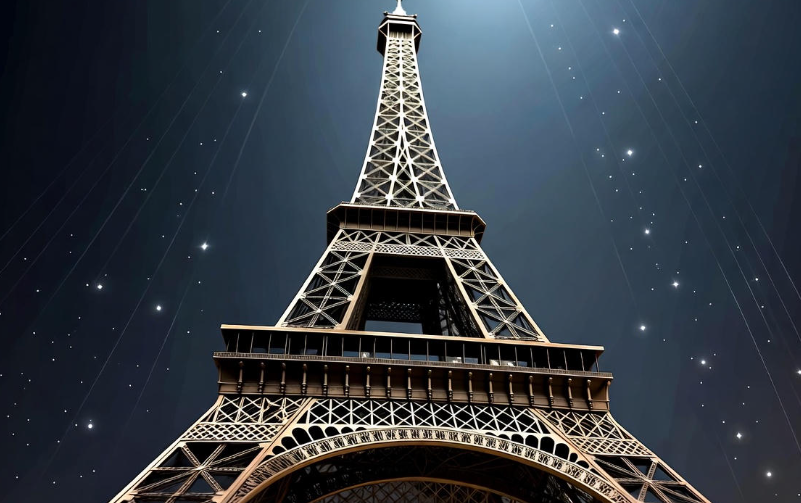
One reason the Eiffel Tower is so striking is its unique shape. The tower has a widening base that narrows as it rises, giving it stability. Engineers call this a “tapered” design. This shape distributes weight evenly and resists wind pressure. In fact, the tower can sway up to 7 centimeters (2.7 inches) in strong winds without any damage. That’s the beauty of combining aesthetics with engineering.
The Magic of Symmetry
Look closely, and you’ll notice a perfect symmetry in the tower’s structure. Each of the four legs is angled just right to balance the entire monument. This symmetry isn’t accidental—it was carefully calculated to ensure the tower can withstand natural forces like wind and gravity. The elegant crisscross lattice design doesn’t just look artistic; it makes the tower lighter and stronger at the same time.
Engineering Innovation of Its Time
When it was built, the Eiffel Tower was a symbol of innovation. It was the tallest man-made structure in the world for over 40 years! Engineers had to experiment with new construction methods, including prefabrication of iron parts and precise rivet alignment. Imagine building something so tall without modern machinery. Each piece was carefully numbered and assembled like a giant 3D puzzle.
Sustainability in Structure
The Eiffel Tower isn’t just strong—it’s also sustainable in its own way. The iron structure allows the tower to breathe, expand, and contract with temperature changes. Unlike stone buildings that can crack or crumble, the tower adjusts naturally. This adaptability is a hidden secret behind its long-lasting beauty.
Color and Preservation
Believe it or not, the Eiffel Tower’s color is a structural secret too! The tower has been repainted around 19 times since its creation, not just for looks but to prevent rust. Each layer of paint protects the iron, ensuring longevity. Today, the tower shines in a unique shade called “Eiffel Tower Brown,” carefully chosen to complement the Paris skyline.
Lighting: A Structural Illusion
At night, the Eiffel Tower sparkles, and this lighting isn’t just for show—it accentuates the lattice structure. The placement of 20,000 light bulbs highlights the intricate ironwork, giving a sense of delicacy despite the tower’s massive size. The way light interacts with the structure creates a dynamic experience that changes with the viewer’s perspective. ✨
Fun Structural Facts Table
| Feature | Fact | Why It’s Special |
|---|---|---|
| Height | 330 meters (1083 ft) | Tallest structure in Paris |
| Weight | 10,100 tons | All iron, yet flexible |
| Rivets | 2.5 million | Allow slight movement, prevent cracks |
| Sway | 7 cm (2.7 in) | Wind resistant design |
| Paint Layers | 19 times | Prevents rust, preserves strength |
Why People Are Drawn to Its Beauty
It’s not just a tower; it’s a combination of art and science. People feel awe because the structure communicates strength and elegance at once. The openness of the lattice allows sunlight to pass through, making it appear delicate despite being made of heavy iron. It’s a reminder that engineering can be as artistic as painting or sculpture.
The Human Touch Behind the Tower
It’s easy to forget that thousands of workers risked their lives to assemble this tower piece by piece. There were no modern safety nets or cranes, just scaffolding, ropes, and sheer skill. Their meticulous work made every joint and rivet precise, creating not just a structure but a masterpiece of craftsmanship.
Lessons for Modern Architects
Modern architects still study the Eiffel Tower to learn how to blend aesthetics with strength. Its success lies in the simplicity of its concept, the elegance of its shape, and the precision of its execution. It teaches that beauty in architecture isn’t just decoration—it’s about balance, proportion, and functional design.
Hidden Secrets Tourists Might Miss
-
The tower leans slightly northwest. It’s subtle but measurable!
-
There’s a secret apartment at the top, once used by Gustave Eiffel himself.
-
Each of the tower’s 20,000 light bulbs has a precise alignment to emphasize structural details.
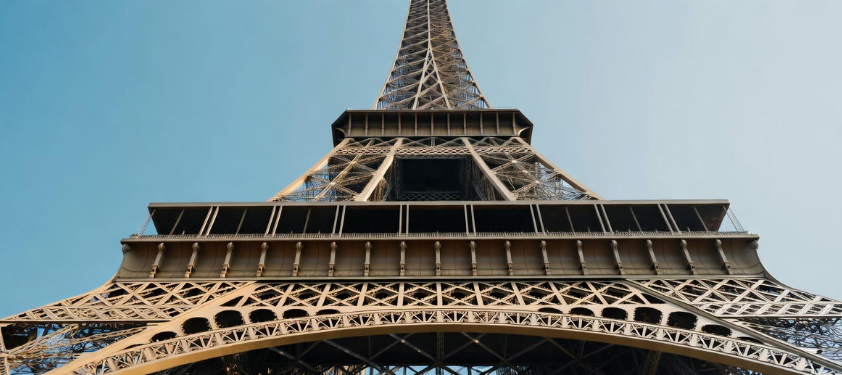
Secrets Behind the Eiffel Tower’s Structural Beauty
FAQs About the Eiffel Tower’s Structure
Q: Why does the Eiffel Tower sway in the wind?
A: The sway is intentional. The iron structure is flexible, allowing it to move slightly without breaking, which helps it resist wind pressure.
Q: How is the tower so durable after 130 years?
A: Thanks to its iron lattice structure, adaptability to temperature, and regular maintenance including painting, the tower remains strong and rust-free.
Q: What makes the shape so special?
A: Its tapered base and symmetrical legs distribute weight evenly and enhance stability. The lattice design makes it lighter and stronger simultaneously.
Q: Why does it sparkle at night?
A: The lighting highlights the ironwork, creating an illusion of delicacy and emphasizing the intricate structure in a visually appealing way. ✨
Q: Are there any structural secrets tourists cannot see?
A: Yes! The slight northwest lean, the secret apartment at the top, and the precise arrangement of rivets and beams are details most visitors miss.
Conclusion: The Eiffel Tower as a Lesson in Structural Beauty
The Eiffel Tower teaches us that true beauty lies not only in how something looks but in how it is built. Its combination of strength, flexibility, and elegance makes it more than a tourist attraction—it’s a symbol of human ingenuity. Every rivet, beam, and curve tells a story of engineering brilliance. Next time you admire it, remember: its beauty isn’t just in what you see; it’s in the secrets it holds within its structure.