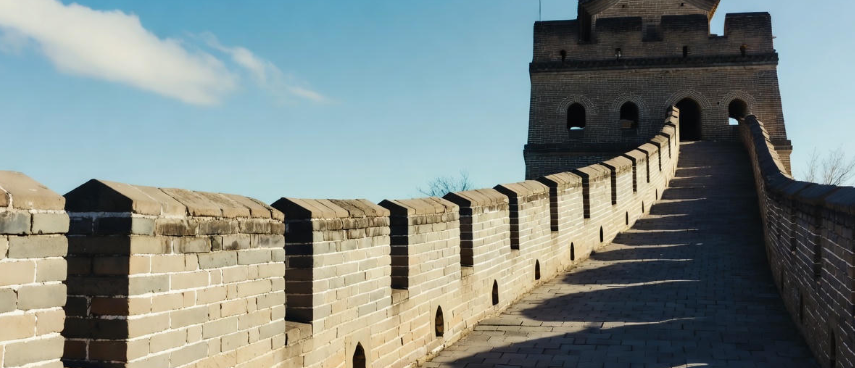

The Great Wall of China stands as a testament to human ingenuity and determination. Stretching over 13,000 miles, it is not just a wall but a complex system of fortifications built to protect ancient China from invasions. Let’s delve into the smart engineering secrets that made this colossal structure stand the test of time.
1. Ingenious Use of Materials
Ancient builders showcased remarkable resourcefulness in selecting materials suited to their environment.
-
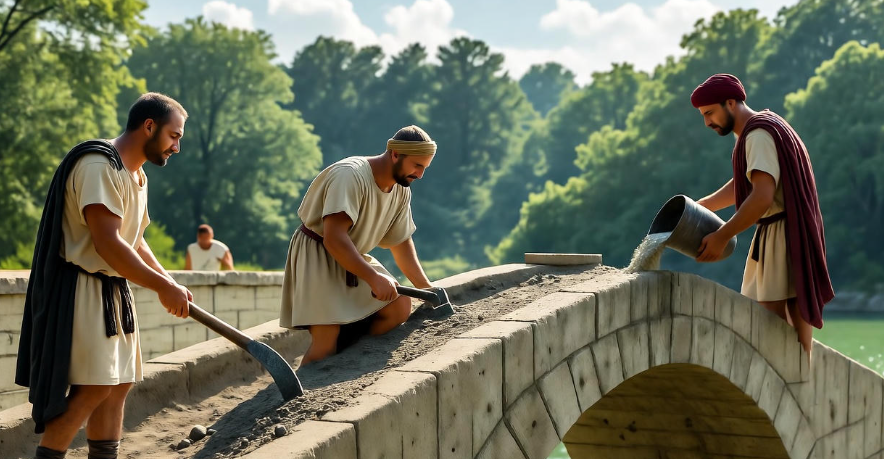
Rammed Earth: In the early stages, especially during the Han Dynasty, the wall was constructed using rammed earth. This technique involved compacting layers of soil, clay, sand, and gravel within wooden frames, creating sturdy walls that blended seamlessly with the natural landscape. Masonry Magazine
-
Sticky Rice Mortar: A fascinating discovery was the use of sticky rice in the mortar. When mixed with lime, the amylopectin in sticky rice created a strong, elastic bond, enhancing the wall’s resistance to earthquakes and natural wear. Rezovate
2. Strategic Construction Techniques
The construction methods employed were both innovative and practical.
-
Layered Building: Builders often used a layered approach, combining different materials like stone, wood, and earth. This not only provided strength but also flexibility, allowing the wall to withstand shifting terrains.
-
Modular Design: The wall was built in sections, each with its own watchtower and defensive features. This modular approach allowed for easier repairs and adaptations over time.
3. Smart Use of Natural Terrain
Rather than altering the landscape, the builders worked with it.
-
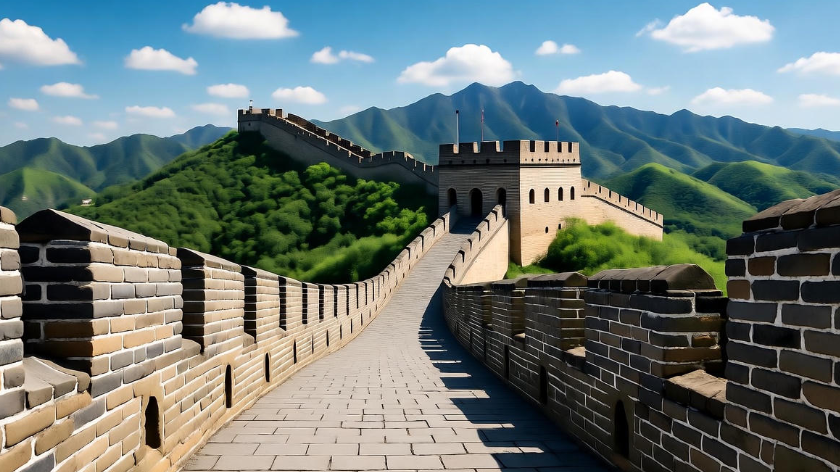
Utilizing Mountains: Sections of the wall were constructed along mountain ridges, using the natural elevation for added defense.
-
Incorporating Natural Barriers: Where possible, rivers and steep cliffs were integrated into the wall’s design, reducing the need for additional construction.
4. Advanced Defensive Features
The wall was not just a physical barrier but a sophisticated defense system.
-
Watchtowers: Strategically placed towers allowed for communication and quick response to threats.
-
Signal Fires: Smoke signals from these towers could relay messages across vast distances in a short time.
-
Trap Mechanisms: Certain sections featured hidden traps to deter invaders.
-
🏛️ Love exploring lost cities? You may also like: The Lost City of Petra’s Architectural Genius Explained 🏜️
5. Sustainable and Localized Construction
The builders minimized environmental impact by sourcing materials locally.
-
Local Materials: Using nearby resources reduced transportation needs and costs.
-
Eco-friendly Practices: The use of natural materials like earth and bamboo scaffolding was both sustainable and effective.
6. Preservation and Modern Restoration
Even today, efforts are underway to preserve and restore the Great Wall.
-
Traditional Techniques: Restorers employ ancient methods, such as using sticky rice mortar, to maintain authenticity.
-
Modern Technology: Advancements like 3D scanning help in accurate restoration and monitoring.
Conclusion
The Great Wall of China is more than just a wall; it’s a symbol of ancient China’s engineering prowess. Through innovative use of materials, strategic construction, and harmony with nature, the wall has endured centuries, continuing to inspire awe and admiration.
FAQs
Q1: How long did it take to build the Great Wall?
Construction spanned over several dynasties, with the most significant work done during the Ming Dynasty (1368–1644), taking approximately 200 years.
Q2: Was the Great Wall built by slaves?
While many workers were conscripted laborers, there were also skilled craftsmen and soldiers involved in its construction.
Q3: How many workers died building the Great Wall?
Estimates suggest that hundreds of thousands of workers perished due to harsh conditions, accidents, and conflicts.
Q4: Can the Great Wall be seen from space?
Contrary to popular belief, the Great Wall is not visible to the naked eye from space without aid.
Q5: Is the Great Wall still in use today?
While it no longer serves a military purpose, the Great Wall is a UNESCO World Heritage site and a major tourist attraction.
Q6: How is the Great Wall maintained?
Ongoing restoration efforts involve both traditional methods and modern technology to preserve its structure and historical significance.
Q7: Are there different sections of the Great Wall?
Yes, there are several sections, each with unique features and construction styles, reflecting the different dynasties and regions.
Q8: What is the best time to visit the Great Wall?
The best times are during spring (April to May) and autumn (September to October) when the weather is mild and the scenery is beautiful.
Q9: Can you hike the Great Wall?
Yes, many sections are open for hiking, offering breathtaking views and a chance to experience the wall up close.
Q10: What wildlife can be found near the Great Wall?
The areas surrounding the Great Wall are home to various species, including birds, deer, and wild boar.
Q11: Is the Great Wall the only wall in China?
No, there are several other walls and fortifications in China, but the Great Wall is the most famous and extensive.
Q12: How wide is the Great Wall?
The width varies along its length but averages about 6–7 meters (20–23 feet).
Q13: Are there any myths about the Great Wall?
Yes, one common myth is that it was built by slaves; however, many workers were conscripted laborers and skilled craftsmen.
Q14: Can you ride a bike along the Great Wall?
In some sections, biking is allowed, offering a unique perspective of the wall and its surroundings.
Q15: Is there an entrance fee to visit the Great Wall?
Yes, most sections charge an entrance fee, which varies depending on the location and facilities.
Q16: How tall is the Great Wall?
The height varies, but it generally ranges from 5 to 8 meters (16 to 26 feet).
Q17: Was the Great Wall ever breached?
Yes, despite its formidable design, the wall was breached several times throughout history, often due to internal betrayal or overwhelming force.
Q18: What is the significance of the Great Wall?
Beyond its military purpose, the Great Wall symbolizes China’s strength, determination, and rich cultural heritage.
Q19: Are there any legends associated with the Great Wall?
Yes, numerous legends and stories have been passed down, adding to the mystique and allure of the wall.
Q20: Can you see the Great Wall from Beijing?
Yes, several sections of the Great Wall are accessible from Beijing, making it a popular day trip for visitors.
Q21: What materials were used in the construction?
Materials included rammed earth, bricks, stones, and sticky rice mortar, depending on the region and era.
Q22: How was the Great Wall funded?
Funding came from the imperial treasury, taxes, and the labor of conscripted workers.
Q23: Were there any architectural innovations?
Yes, features like watchtowers, signal fires, and trap mechanisms were innovations that enhanced its defensive capabilities.
Q24: How does the Great Wall compare to other walls?
While other walls exist, the Great Wall’s scale, history, and cultural significance make it unparalleled.
Q25: What efforts are being made to preserve it?
Conservation projects involve both traditional restoration techniques and modern technology to maintain the wall’s integrity.
Q26: Can you camp near the Great Wall?
In some areas, camping is permitted, offering a unique experience under the stars.
Q27: What role did the Great Wall play in Chinese history?
It served as a defense against invasions, a symbol of imperial power, and a means of controlling trade and immigration.
Q28: How many people were involved in its construction?
Estimates suggest that millions of workers, including soldiers, peasants, and prisoners, contributed to its construction.
Q29: What is the current state of the Great Wall?
While some sections have deteriorated, many are well-preserved and open to the public.
Q30: Is the Great Wall a UNESCO World Heritage site?
Yes, it was designated as a UNESCO World Heritage site in 1987, recognizing its cultural and historical significance.
Q31: How does the Great Wall impact tourism?
It attracts millions of visitors annually, contributing significantly to China’s tourism industry.
Q32: Are there any endangered species near the Great Wall?
Yes, some areas are home to endangered species, highlighting the importance of conservation efforts.