
Minimalism in architecture is more than just a design trend. It’s a philosophy—a way of thinking about space, light, and life. Over the last few decades, minimalism has transformed modern architecture into something clean, functional, and aesthetically calming.
Understanding Minimalism
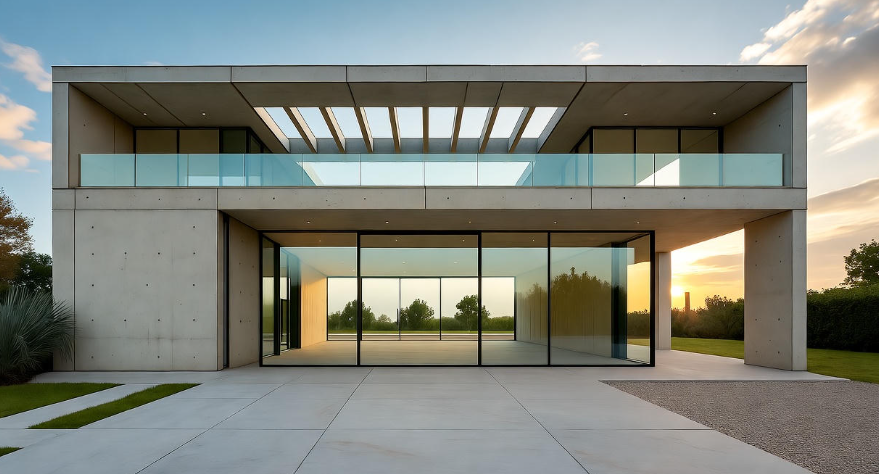
Minimalism is about stripping away the unnecessary. It’s not about emptiness, but about clarity. The focus is on simplicity, functionality, and beauty through restraint. Think clean lines, neutral colors, open spaces, and natural materials. The mantra here is: less is more.
Why Minimalism is Gaining Popularity
Modern life is busy and often chaotic. People crave spaces that offer peace and clarity. Minimalist architecture provides this calm by reducing visual clutter and creating spaces that feel open and free.
Some reasons for its rise:
-
Simplicity – People want homes and offices that are easy to live in.
-
Sustainability – Minimalism often uses fewer materials, reducing environmental impact.
-
Modern Aesthetic – Clean lines and simple designs appeal to contemporary tastes.
-
Mental Health – Open, organized spaces can reduce stress and improve focus.
Core Principles of Minimalist Architecture
Minimalism in architecture isn’t just about removing things; it’s about thoughtful design. Key principles include:
-
Clean Lines and Geometry ✨
Shapes are simple and precise. Walls, roofs, and floors often feature straight lines or gentle curves. -
Open Spaces 🏠
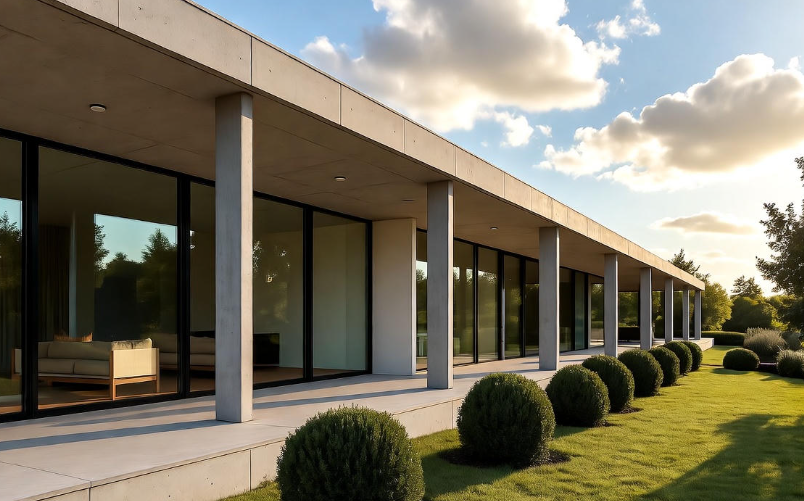
Minimalism encourages open floor plans that allow natural light and air to flow freely. -
Neutral Colors 🎨
Whites, beiges, grays, and earth tones dominate minimalist spaces. These colors enhance calmness and make areas feel larger. -
Natural Materials 🌿
Wood, stone, glass, and concrete are popular. These materials bring warmth without clutter. -
Function Over Form ✅
Every element has a purpose. Furniture, walls, and decorations serve a practical need.
Minimalism in Different Building Types
| Building Type | How Minimalism is Applied | Unique Features |
|---|---|---|
| Residential Homes | Open living areas, simple kitchens, large windows | Less furniture, more space for movement |
| Offices | Open-plan workspaces, clean desks | Reduces distraction, increases productivity |
| Public Buildings | Museums, galleries, libraries | Focus on light, space, and visitor experience |
| Hotels | Minimalist lobbies and rooms | Promotes calmness and relaxation |
Famous Examples of Minimalist Architecture
-
Farnsworth House, USA – Transparent walls, open space, integration with nature.
-
Tadao Ando’s Church of the Light, Japan – Concrete walls with a single cross of light.
-
Barcelona Pavilion, Spain – Simple, elegant geometry and open floor design.
How Minimalism Impacts Lifestyle
Minimalist architecture is not just about buildings; it’s about living differently. By embracing simplicity:
-
People own fewer items, reducing stress and clutter.
-
Homes become easier to clean and maintain.
-
Spaces feel more connected to nature and light.
Challenges of Minimalist Design
Despite its appeal, minimalism is not without challenges:
-
Cold Feeling – Spaces can feel impersonal if not balanced with warmth.
-
High Costs – Using quality materials and precise construction can be expensive.
-
Maintenance – Minimalist spaces require constant upkeep to maintain their clean look.
Future of Minimalism in Architecture
Minimalism will continue evolving. New trends include:
-
Eco-Minimalism – Sustainable and energy-efficient materials.
-
Tech Integration – Smart homes with hidden technology that maintains simplicity.
-
Biophilic Design – Bringing nature indoors while keeping minimalist aesthetics.
Tips for Designing a Minimalist Space
-
Start with a neutral palette.
-
Choose multifunctional furniture.
-
Embrace natural light.
-
Limit decorative items.
-
Keep spaces open and airy.
Common Misconceptions About Minimalism
-
It’s not boring – Minimalism emphasizes beauty through simplicity.
-
It’s not just white walls – Minimalist spaces can include textures, wood, and color accents.
-
It’s not for everyone – Minimalism is flexible and can be adapted to different lifestyles.
Impact on Real Estate and Cities
Minimalist architecture is influencing urban planning and housing. Compact, open apartments, and smart city designs are reflecting minimalism principles. Cities like Tokyo, Copenhagen, and Berlin showcase how minimalism can merge functionality with aesthetics.
Quick Comparison: Minimalism vs Traditional Design
| Feature | Minimalism | Traditional Design |
|---|---|---|
| Space | Open, airy | Compartmentalized |
| Color | Neutral tones | Bold, patterned |
| Decor | Minimal, purposeful | Ornamental, detailed |
| Materials | Natural, sustainable | Varied, decorative |
| Focus | Function & simplicity | Visual richness |
Conclusion
The rise of minimalism in modern architecture is not just a trend; it’s a response to how we live today. With urbanization, busy lifestyles, and environmental awareness, people crave spaces that offer clarity, calm, and connection to nature. Minimalist architecture does this elegantly, balancing beauty with function.
Minimalism teaches us that design doesn’t need to be complicated to be meaningful. By focusing on what truly matters, both in architecture and life, we can create spaces that feel open, calm, and inspiring.
FAQs About Minimalist Architecture
Q1: Does minimalism mean having empty spaces?
A1: Not at all. Minimalism focuses on purposeful design. Every element serves a function, making the space feel open without being empty.
Q2: Is minimalism expensive?
A2: Quality materials and precise construction can cost more, but minimalism often reduces long-term costs by avoiding excess and unnecessary decor.
Q3: Can minimalism work in small homes?
A3: Absolutely! Minimalism is perfect for small spaces. Open layouts, multifunctional furniture, and neutral colors make small homes feel larger.
Q4: Is minimalism only for modern homes?
A4: No. Minimalist principles can enhance any home, old or new, by reducing clutter and improving functionality.
Q5: How can I start embracing minimalism?
A5: Start small—declutter, use neutral colors, focus on functional furniture, and allow light and space to flow freely.
Final Thoughts 🌟
Minimalist architecture is more than a style—it’s a lifestyle. It encourages us to think about what really matters, reduce excess, and find beauty in simplicity. From homes to public spaces, this approach is shaping the future of design, making life simpler, calmer, and more meaningful.