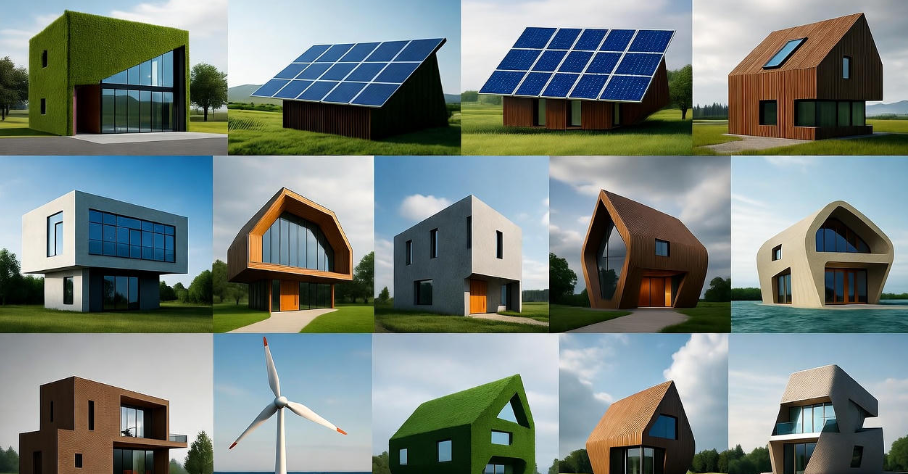

Sustainable architecture is no longer a trend; it’s a necessity. 🌍 With climate change, urbanization, and dwindling resources, architects are rethinking how buildings are designed, built, and maintained. Today, innovations in sustainable architecture not only save energy but also improve the quality of life for residents. Let’s explore the top 10 sustainable architectural innovations that are shaping the future.
1. Green Roofs and Vertical Gardens 🌿
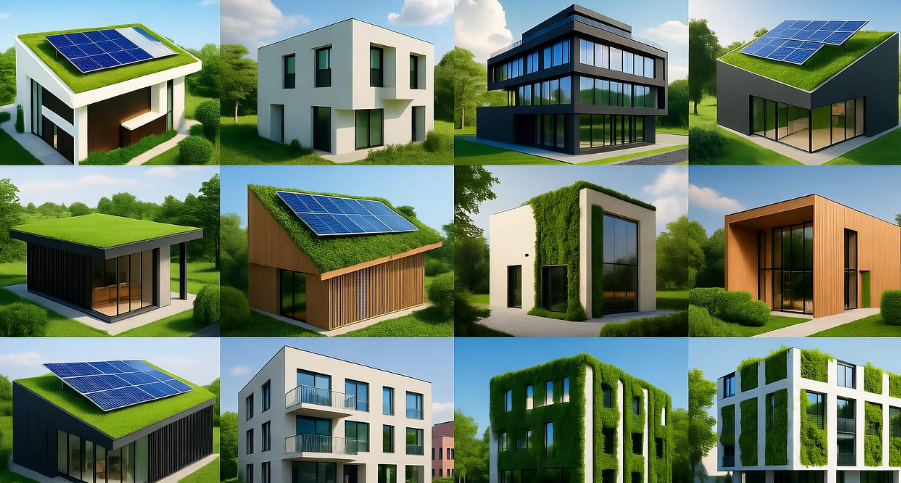
Green roofs and vertical gardens are more than just aesthetically pleasing. They help regulate building temperatures, reduce urban heat islands, and improve air quality. By growing plants on rooftops or walls, buildings can absorb carbon dioxide, filter pollutants, and even grow food.
Benefits at a glance:
| Feature | Benefit |
|---|---|
| Temperature regulation | Reduces energy costs for heating/cooling |
| Air quality improvement | Plants absorb CO2 & pollutants |
| Stormwater management | Reduces runoff & flooding risk |
| Aesthetic appeal | Increases property value & beauty |
2. Solar Panels and Photovoltaic Glass ☀️
Solar energy is one of the oldest sustainable solutions, but today it has become more integrated into architecture. Photovoltaic glass allows windows to generate electricity without blocking natural light. This dual functionality is a game-changer for urban buildings.
Interesting fact: Some modern skyscrapers produce more energy than they consume, making them energy-positive!
3. Passive House Design 🏠
The Passive House concept focuses on ultra-efficient insulation, airtight construction, and strategic window placement to minimize energy consumption. Buildings built with passive design principles can cut heating and cooling energy use by up to 90%.
Key strategies include:
-
Triple-glazed windows for better insulation
-
Optimized building orientation to maximize sunlight
-
Heat recovery ventilation systems
4. Recycled and Low-Impact Materials ♻️
Modern architecture is moving away from concrete-heavy designs. Sustainable materials like recycled steel, bamboo, reclaimed wood, and low-VOC paints reduce carbon footprints significantly.
Why it matters: Traditional concrete production is responsible for 8% of global CO2 emissions. Switching to recycled or low-impact materials makes a huge difference.
5. Smart Glass and Dynamic Facades 🪟
Smart glass can adjust its opacity depending on sunlight intensity, reducing the need for air conditioning. Dynamic facades work similarly, moving panels or screens to regulate light, heat, and airflow.
Extra bonus: This technology can reduce electricity bills by 20–30% while keeping interiors naturally lit.
6. Water Recycling Systems 💧
Sustainable architecture increasingly integrates water-efficient systems. Rainwater harvesting, greywater recycling, and smart irrigation reduce water consumption dramatically.
Example: Some buildings in Singapore recycle up to 30% of their total water usage. These systems not only save resources but also reduce municipal strain.
7. Modular and Prefabricated Construction 🏗️
Prefabricated or modular construction reduces construction waste and shortens building timelines. Materials are cut precisely in factories, ensuring minimal errors and energy savings.
Why it’s sustainable:
-
Less construction debris
-
Reduced transportation emissions
-
Faster assembly minimizes site disruption
8. Biophilic Design 🌸
Biophilic design emphasizes human connection to nature. Incorporating natural light, ventilation, indoor plants, and natural textures improves mental well-being and productivity while reducing reliance on artificial lighting and air systems.
Fun fact: Studies show that people in biophilic-designed buildings experience 15% lower stress levels!
9. Energy-Efficient HVAC Systems ❄️🔥
Modern buildings are increasingly using AI-powered heating, ventilation, and air conditioning systems. These systems learn usage patterns and adjust energy consumption automatically, reducing waste.
Example: Smart HVAC systems in office buildings can cut energy use by 25–40% annually.
10. Net-Zero and Energy-Positive Buildings ⚡
The ultimate goal of sustainable architecture is to create buildings that produce as much or more energy than they consume. Solar panels, energy-efficient systems, and smart design work together to achieve this.
Interesting example: The Bullitt Center in Seattle produces more energy than it consumes and collects rainwater for its daily use.
Comparing Traditional vs Sustainable Architecture
| Feature | Traditional Architecture | Sustainable Architecture |
|---|---|---|
| Energy consumption | High | Low / Energy-efficient |
| Materials | Concrete, Steel-heavy | Recycled, Low-impact |
| Waste generation | High | Minimal / Reusable |
| Water usage | Standard | Rainwater recycling & greywater |
| Indoor air quality | Average | Enhanced via plants & ventilation |
FAQs on Sustainable Architecture
Q1: What makes a building truly sustainable?
A building is considered sustainable if it minimizes energy use, uses eco-friendly materials, reduces water consumption, and supports occupant health and well-being.
Q2: Are sustainable buildings more expensive to build?
Initially, yes, but energy savings, reduced maintenance, and long-term durability often make them cheaper over the building’s lifecycle.
Q3: Can old buildings be converted into sustainable ones?
Absolutely! Retrofitting old buildings with energy-efficient systems, green roofs, or smart facades can significantly improve sustainability.
Q4: How does sustainable architecture help the environment?
It reduces carbon emissions, minimizes waste, conserves water, and promotes biodiversity, contributing directly to combating climate change.
Q5: Will sustainable architecture become standard in the future?
Yes. With growing environmental awareness and stricter building regulations worldwide, sustainable design is expected to become mainstream.
Conclusion
Sustainable architecture is not just about energy savings—it’s about creating healthier, smarter, and more resilient living spaces. 🏢🌱 Innovations like green roofs, modular construction, biophilic designs, and net-zero buildings are transforming cities around the world. By embracing these solutions, architects can shape a future that balances human needs with the planet’s well-being.
Whether you are an architect, a student, or someone interested in eco-friendly living, these innovations offer inspiration and practical solutions. The future is green, and architecture is leading the way! 🌎💚